UK Minister Outlines Priority on Tackling Illegal Gambling Promotions During Lords Committee Appearance
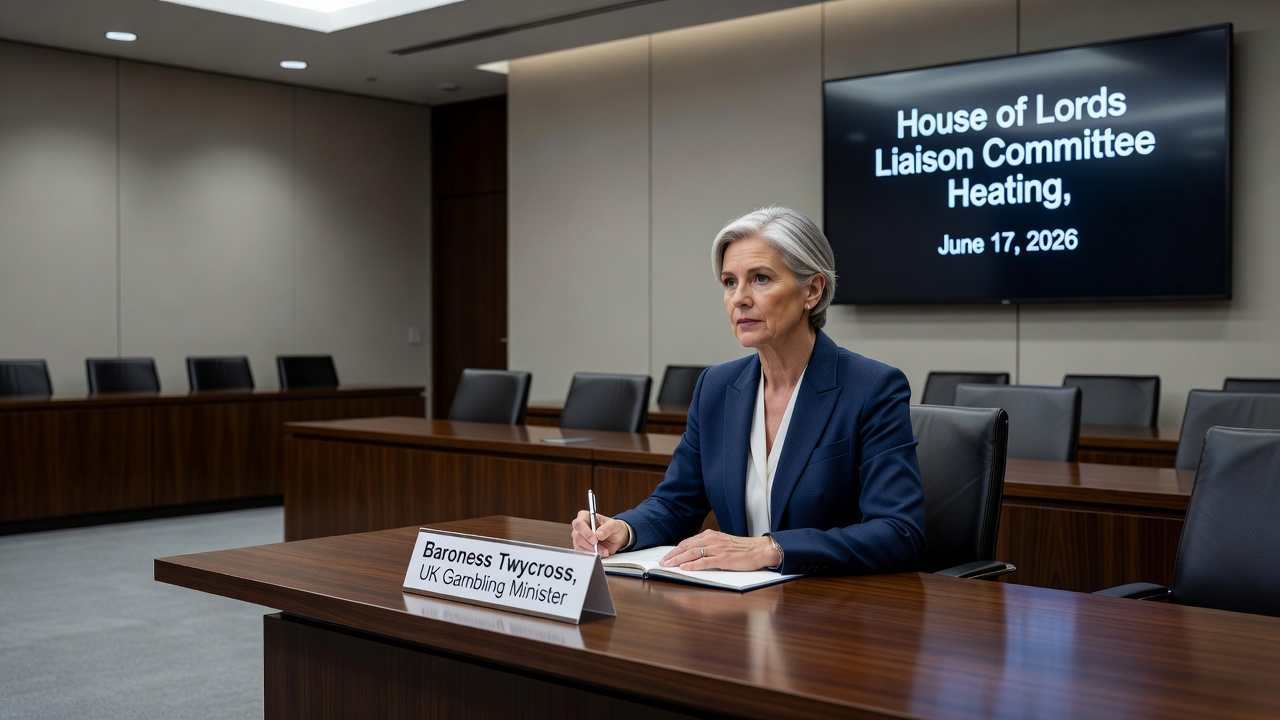
 Baroness Twycross addressed members of the House of Lords Liaison Committee on June 17, 2026, and she described efforts to curb illegal gambling advertising as a leading government focus because those activities threaten the licensed sector, reduce tax collections, and encourage consumers toward operators outside regulatory oversight. The minister confirmed that authorities see no immediate need for additional rules targeting advertising by already licensed operators, while she emphasized that future steps would rest on solid evidence gathered through partnerships.
Core Priorities Highlighted in the Session
During the exchange, Baroness Twycross explained how illegal promotions undermine the framework that protects players and supports legitimate businesses, and she noted that protecting the licensed market remains central because it delivers consistent tax revenue while operators follow strict standards. Those who follow the sector closely understand that shifts toward unregulated sites create gaps in consumer safeguards, and the government aims to close those gaps through coordinated action rather than new legislation aimed at compliant companies.
Evidence-based approaches guide the strategy, according to the minister, and collaboration stands at the heart of implementation because multiple agencies bring different tools to the table. The Advertising Standards Authority already monitors promotions across traditional and digital channels, while social media platforms receive direct requests to remove content that violates existing codes. A newly established Illegal Gambling Taskforce adds another layer of focus by targeting black-market operators who use sponsorship deals and influencer posts to reach audiences.
Collaboration Across Agencies and Platforms
Observers note that the taskforce works with technology companies to identify and block promotions that slip through automated filters, and those partnerships allow faster responses than legislation alone could achieve. Baroness Twycross pointed out that sponsorship scrutiny forms part of this wider push because some brands still appear in contexts that reach younger viewers or direct traffic to unlicensed sites. Social media promotions receive particular attention since algorithms can amplify messages quickly across borders and beyond traditional regulatory reach.
The approach avoids immediate new rules for licensed operators because current codes already set clear boundaries, and data from enforcement actions help identify where gaps actually exist. Researchers at organizations such as the Advertising Standards Authority have tracked complaint volumes and compliance rates, and those figures inform whether further restrictions would deliver measurable benefits or simply duplicate existing controls.
Broader Context of Black-Market Efforts
Black-market activity extends beyond simple advertising because operators sometimes use affiliate networks or crypto-based promotions that evade standard checks, and the taskforce coordinates intelligence across those fronts. Baroness Twycross stressed that protecting tax revenue matters because gambling duties fund public services, and every pound moved to unregulated sites represents lost income that could otherwise support community programs. Consumer protection remains tied to the same effort since licensed operators must follow age verification and responsible gambling measures that illegal sites routinely ignore.
What's notable is the deliberate sequencing of actions because the government first strengthens enforcement tools before considering new statutes. This method allows officials to measure impact through reduced complaints, improved detection rates on platforms, and shifts in consumer behavior tracked by independent surveys. Partners from the Australian Gambling Research Centre have shared similar data patterns in their jurisdiction, and those comparisons help UK officials refine tactics without reinventing processes.
Next Steps and Ongoing Monitoring
Future updates will depend on findings from the taskforce and platform reports, and Baroness Twycross indicated that transparency around those results will keep policy grounded. Regular liaison with the Advertising Standards Authority ensures that voluntary compliance measures stay aligned with enforcement priorities, while social media companies continue to receive lists of prohibited accounts and keywords. The overall framework therefore combines existing legal powers with new operational cooperation rather than rushing toward fresh statutes.
Conclusion
Baroness Twycross's June 17, 2026, appearance clarified the government's current direction on illegal gambling advertising, and the emphasis on protecting the licensed market, securing tax revenue, and shielding consumers from unregulated operators sets clear priorities. Collaboration with the Advertising Standards Authority, social media platforms, and the Illegal Gambling Taskforce forms the practical backbone of those efforts, while evidence continues to guide whether additional legislation becomes necessary. The statements reflect a measured strategy that builds on current tools before expanding the rulebook.