Payment Velocity and Its Role in Unlocking Tiers for Mobile Blackjack and Sports Markets
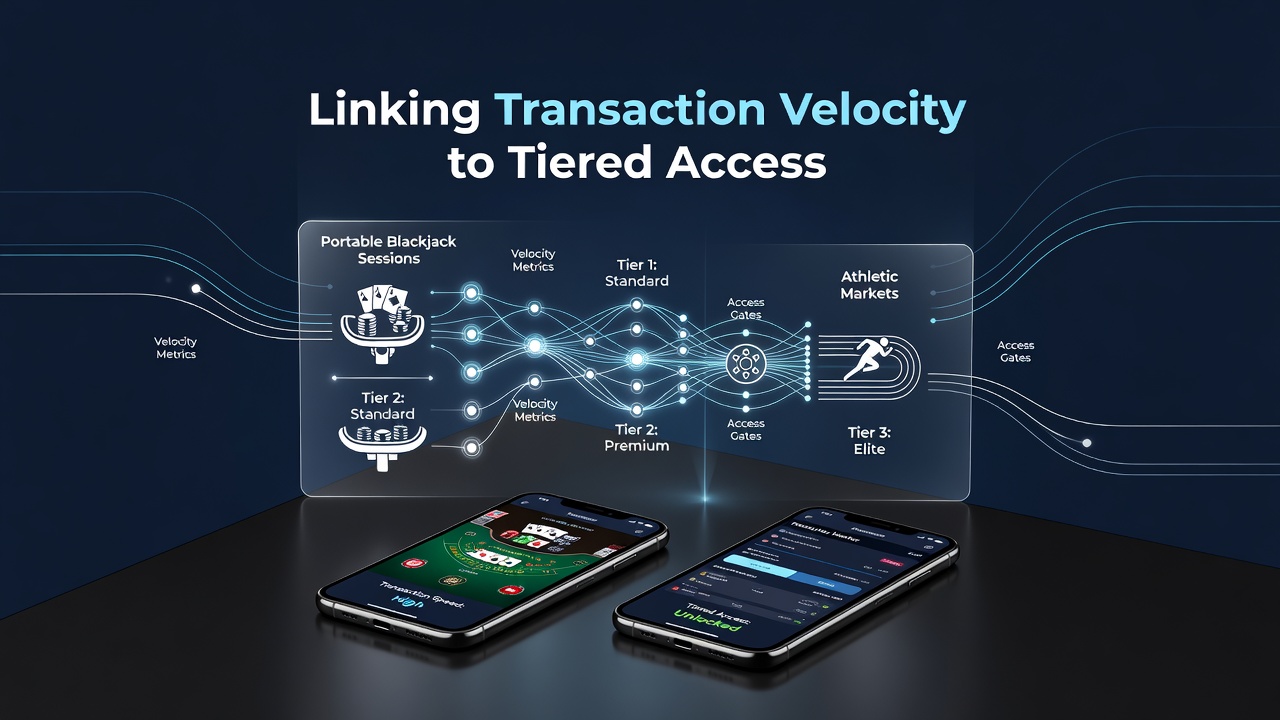
Transaction velocity refers to the rate at which deposits and withdrawals clear in digital gambling environments, and this metric directly shapes how quickly users advance through tiered access programs on mobile platforms that host blackjack sessions alongside athletic markets. Platforms track the frequency and volume of these movements to determine eligibility for higher reward brackets, where faster clearance times often correlate with quicker progression. Data from industry monitoring services shows that systems processing transfers in under five seconds enable users to meet volume thresholds sooner than those relying on batch settlements that take minutes or hours.
Mechanics of Velocity in Portable Sessions
Portable blackjack applications measure transaction velocity through automated logs that record each funding action during live play, and these records feed into algorithms that calculate tier points in real time. When a user completes multiple deposits within a single session, the cumulative speed contributes to criteria such as total wagered amount and session duration. Observers note that platforms integrate instant payment gateways to reduce friction, which in turn accelerates the accumulation of metrics needed for silver, gold, or platinum status. One study from the University of Nevada Las Vegas documented how payment processing times under three seconds increased tier advancement rates by measurable margins across sampled user cohorts.
Integration with Athletic Markets
Athletic markets on the same mobile ecosystems apply similar velocity metrics when users place in-play wagers on events such as soccer or basketball, and the combination of blackjack rounds with sports bets creates composite activity profiles. Faster transaction flows allow participants to fund additional bets without interruption, which compounds the data points that trigger tier upgrades. Research indicates that users who alternate between dealer-led blackjack tables and live odds markets achieve higher cumulative velocity scores, leading to expedited access to exclusive features like enhanced cashback percentages or priority event entries. Australian wagering regulators have reported in their annual compliance summaries that velocity-linked systems now account for a growing share of tier promotions across licensed operators.
Data Patterns and Platform Responses
Platform operators compile velocity statistics from millions of sessions, and these aggregates reveal consistent patterns where rapid funding sequences precede tier jumps. In July 2026 several operators began rolling out updated dashboards that display real-time velocity scores alongside tier progress bars, giving users visibility into how each transfer influences their standing. External audits confirm that such transparency tools align with broader efforts to standardize reporting across jurisdictions, including those overseen by bodies like the Nevada Gaming Control Board. The patterns show that blackjack sessions lasting under thirty minutes paired with athletic bets generate velocity spikes when payment rails support instant confirmation, whereas slower methods dilute the overall rate.
Regulatory Context and Industry Standards
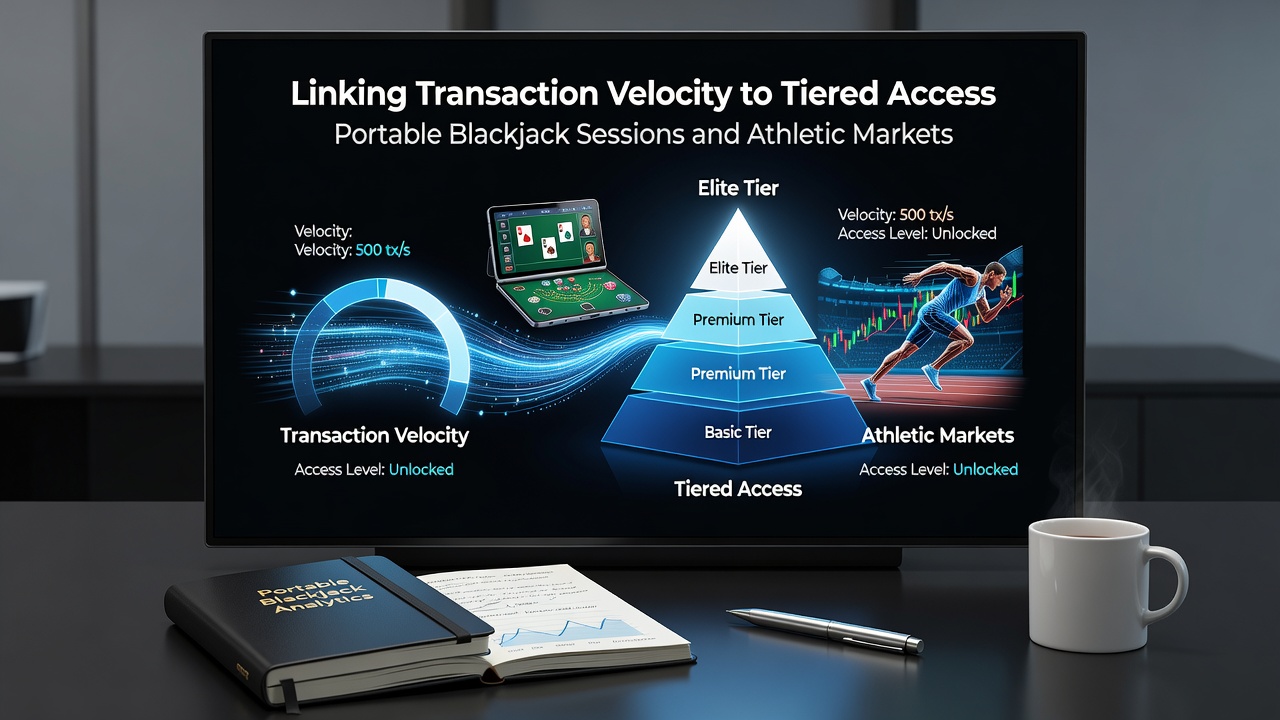
Regulatory frameworks in multiple regions require operators to maintain audit trails that link transaction velocity to tier eligibility, ensuring that promotions do not inadvertently favor certain payment methods. Canadian provincial gaming authorities have issued guidance documents that emphasize verifiable speed metrics as part of responsible marketing practices. Those documents highlight the need for clear disclosure of how velocity calculations affect access, and operators have responded by embedding explanatory tooltips within mobile interfaces. Academic reviews from institutions such as the University of Sydney further examine how these linkages influence user behavior across combined blackjack and sports environments without introducing bias into outcome distributions.
Future Developments in Velocity Tracking
Emerging technologies such as blockchain-based settlement layers continue to compress clearance times, and platform developers integrate these advancements to refine tier algorithms. The resulting systems record velocity at the individual transaction level, allowing granular adjustments to tier thresholds based on aggregate platform data. Industry reports project that by late 2026 additional operators will adopt unified velocity standards that span blackjack sessions and athletic markets, creating consistent progression paths regardless of device or jurisdiction. Observers note that these changes build on existing payment infrastructure rather than replacing it, maintaining compatibility with current user habits while elevating the precision of tier assignments.
Conclusion
Linking transaction velocity to tiered access produces measurable effects on how participants navigate mobile blackjack sessions and athletic markets, with data showing direct correlations between clearance speed and advancement speed. Regulatory bodies across regions continue to monitor these connections to uphold transparency standards, while platform operators refine their systems in response to both technological shifts and compliance requirements. The patterns established through ongoing data collection indicate that velocity remains a central variable in tier progression frameworks.