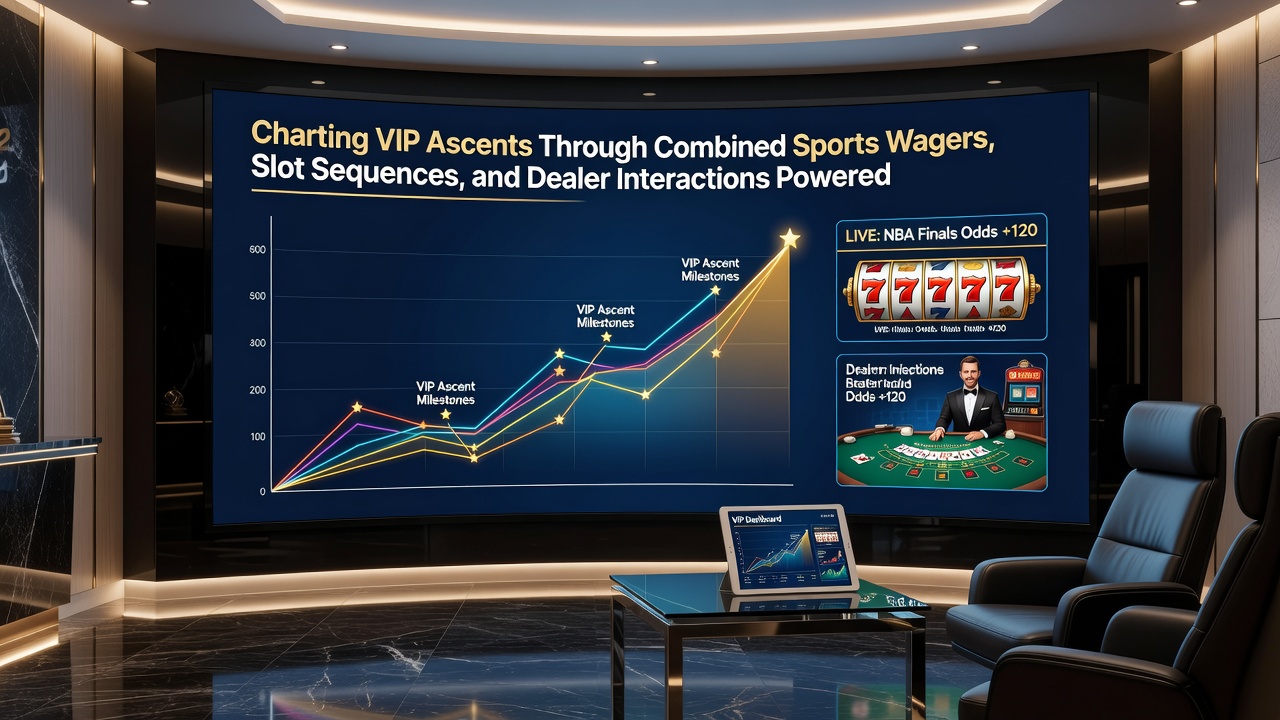
Navigating VIP Pathways with Unified Approaches to Sports Betting, Sequential Slot Play, and Live Dealer Engagements via Adaptable Transaction Systems

Players advance through VIP tiers by merging sports wagers with sequences of slot spins and live dealer sessions, all facilitated by payment options that support instant deposits and withdrawals across mobile and desktop environments, and data from industry reports indicate these combined activities accelerate point accumulation in loyalty programs operated by major operators.
Core Mechanics of Combined Activity Tracking
Operators monitor player behavior through unified dashboards that log wagers placed on athletic events, consecutive reel activations in slot titles, and real-time interactions at virtual tables where dealers manage card or wheel outcomes. Flexible transaction methods including e-wallets, bank transfers, and digital currencies reduce friction during switches between these formats, allowing continuous engagement without mandatory pauses for funding verification.
Research from the Nevada Gaming Control Board shows that platforms integrating multiple verticals record higher average session durations when payment processing occurs in under 30 seconds, while separate studies conducted by academic teams at the University of Nevada highlight correlations between rapid transaction flows and elevated loyalty tier progression rates.
Payment Flexibility as the Enabling Factor
Adaptable funding paths permit users to allocate resources across sports prop bets, timed slot sequences targeting bonus rounds, and dealer-led games such as roulette or blackjack without exiting the primary application. In July 2026 several operators expanded support for multi-currency digital wallets that synchronize balances instantly, enabling participants to move from an in-play soccer market directly into a streak of high-volatility slot spins before joining a live dealer table.
Those who track their activity note that point multipliers often apply when wagers span at least three distinct categories within a single 24-hour window, and transaction logs automatically feed into central reward engines that calculate tier eligibility based on combined volume rather than isolated product performance.
Case Examples from Operational Platforms
One documented pattern involves users placing a live basketball wager, following it with a sequence of 50 consecutive slot spins on a progressive title, then transitioning to a live dealer blackjack table where decisions influence both immediate payouts and cumulative loyalty metrics. Platforms record these chains through timestamped logs that trigger bonus credit releases once thresholds are met.
Observers at industry conferences report similar patterns in regions where regulatory frameworks permit seamless cross-product play, with payment gateways handling authentication through single sign-on protocols that maintain session continuity.
Industry Data on Tier Advancement Rates
Figures released by the European Gaming and Betting Association reveal that loyalty programs incorporating multi-vertical tracking experienced a 22 percent increase in VIP applications during periods when flexible payment options were widely promoted. These statistics derive from aggregated operator submissions covering millions of active accounts and emphasize volume across sports, slots, and table games rather than single-category focus.
Additional analysis from Canadian regulatory summaries indicates that accounts utilizing instant settlement methods reached mid-tier status an average of 18 days faster than those relying on traditional processing cycles, although exact timelines vary according to individual wagering patterns and promotional structures active at each operator.
Technical Integration Requirements
Backend systems must reconcile data streams from sports books, random number generators governing slot outcomes, and live streaming feeds from dealer studios while simultaneously processing incoming and outgoing transactions. Application programming interfaces connect these elements so that a completed sports settlement can fund an immediate slot session or dealer buy-in without manual intervention.
Security protocols require multi-factor authentication at each transition point, yet the overall design prioritizes speed so that players maintain momentum across formats. Operators that have implemented these unified ledgers report reduced support ticket volumes related to balance discrepancies.
Conclusion
Combined tracking of sports wagers, slot sequences, and dealer interactions under flexible transaction frameworks continues to shape how participants reach and sustain VIP status across multiple jurisdictions. Available data sets demonstrate measurable impacts on progression speed when payment systems minimize delays between activities, and ongoing platform developments scheduled through 2026 aim to further streamline these integrated experiences.