Instant Digital Transfers Fueling Progressive Rewards in Mobile Reel Spins, Live Casino Sessions, and Predictive Sports Wagers

Electronic transfers have become central to how players access escalating reward structures across mobile gaming platforms, and data from industry reports shows these systems connect slot sequences, dealer-led tables, and sports forecasts into unified progression paths. Platforms integrate instant payment gateways that record transaction volumes and activity metrics, automatically advancing users through tiered benefit levels without requiring separate verification steps for each category. Observers note that such connectivity allows participants to accumulate qualifying spend across reel spins in video slots, rounds at live dealer blackjack or roulette, and wagers on match outcomes in soccer or basketball events, all tracked within a single mobile application interface.
Mechanics of Transfer-Driven Tier Advancement
Payment processors link directly to platform algorithms that monitor cumulative electronic transfer totals, converting those amounts into loyalty points or status credits at rates determined by each operator's published schedule. A user completing a deposit via an e-wallet can see immediate allocation toward multiple reward streams, while recurring transfers sustain momentum through automated milestone triggers. Research from the University of Nevada Reno Gaming Innovation Lab indicates that integrated payment systems reduce friction between deposit actions and reward eligibility, enabling smoother transitions from base-level access to mid-tier privileges such as enhanced cashback percentages on live table losses or boosted odds on in-play match predictions.
Operators configure these systems so that a single transfer supports simultaneous tracking for slots, live dealer environments, and sports modules, and platform logs reveal that users who maintain consistent electronic funding patterns reach higher tiers faster than those relying on traditional methods. The architecture relies on API connections between banking partners and gaming servers, which update balance and status data in real time across portable devices.
Cross-Category Perk Integration on Portable Devices
Mobile applications display unified dashboards where transfer history feeds into separate yet interconnected progress bars for reel sequences, dealer tables, and match predictions. A deposit processed through an electronic channel might unlock a slot-specific multiplier that also applies partially to live roulette sessions and sports parlay bonuses, creating layered incentives tied to overall platform engagement rather than isolated game types. Figures from the Canadian Gaming Association's 2025 annual review show increased adoption of such cross-category models among operators serving international mobile audiences, with transaction data demonstrating higher retention when rewards span multiple verticals.
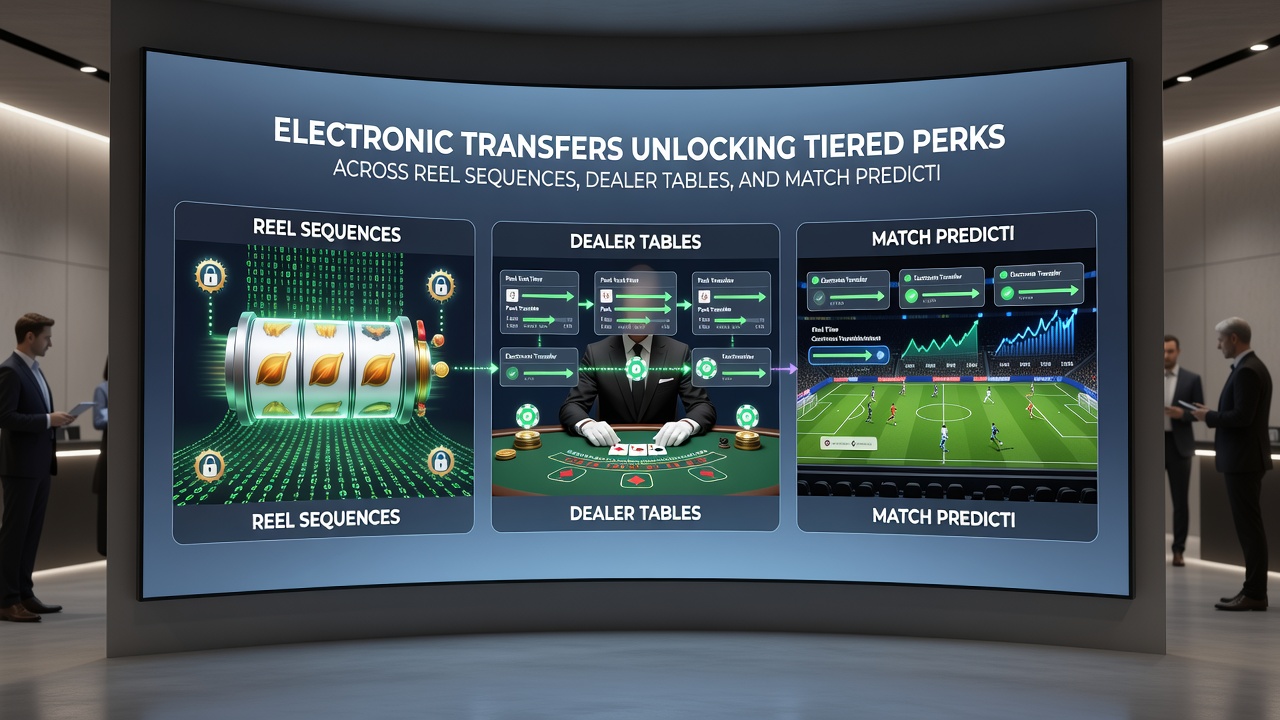
Those who study player behavior patterns report that electronic transfer speed influences how quickly users experiment across game categories, since immediate fund availability removes delays that previously discouraged switching between slot reels and live dealer streams. In June 2026 several platform providers introduced updated transfer protocols that further align reward calculations across portable interfaces, allowing a single transaction to contribute proportionally to all three areas without manual category selection.
Regulatory and Operational Context
Payment service providers must comply with jurisdictional rules governing money transmission and gaming activity, and operators adjust their electronic transfer offerings accordingly to maintain eligibility for tiered programs. Data compiled by the European Gaming and Betting Association tracks how standardized reporting on transfer volumes supports transparent reward distribution, ensuring that perks tied to reel sequences, dealer tables, and sports forecasts remain auditable. Platform developers incorporate compliance checkpoints directly into the transfer workflow, so users encounter minimal interruption while the system validates activity against regional standards.
Technical implementations vary by region, yet the core principle remains consistent: electronic transfers generate verifiable records that feed into tier algorithms, and mobile users benefit from consolidated tracking that spans game types. Industry analyses indicate that operators deploying these integrated systems observe measurable shifts in how participants distribute their activity across slots, live dealer offerings, and predictive sports markets.
Conclusion
Electronic transfer systems continue to shape access to progressive rewards by linking activity across mobile slot sequences, live dealer tables, and sports match predictions within unified tracking frameworks. Platform metrics and external research confirm that these connections streamline progression pathways, with real-time updates supporting consistent advancement based on cumulative transaction data. As operators refine their payment integrations, the structure of tiered perks evolves to reflect broader engagement patterns across portable gaming environments.