Charting the Flow of Rewards: Investigating Ties Between Transaction Speed and Access to Enhanced Features in Roulette, Blackjack, and Event-Based Wagering Apps
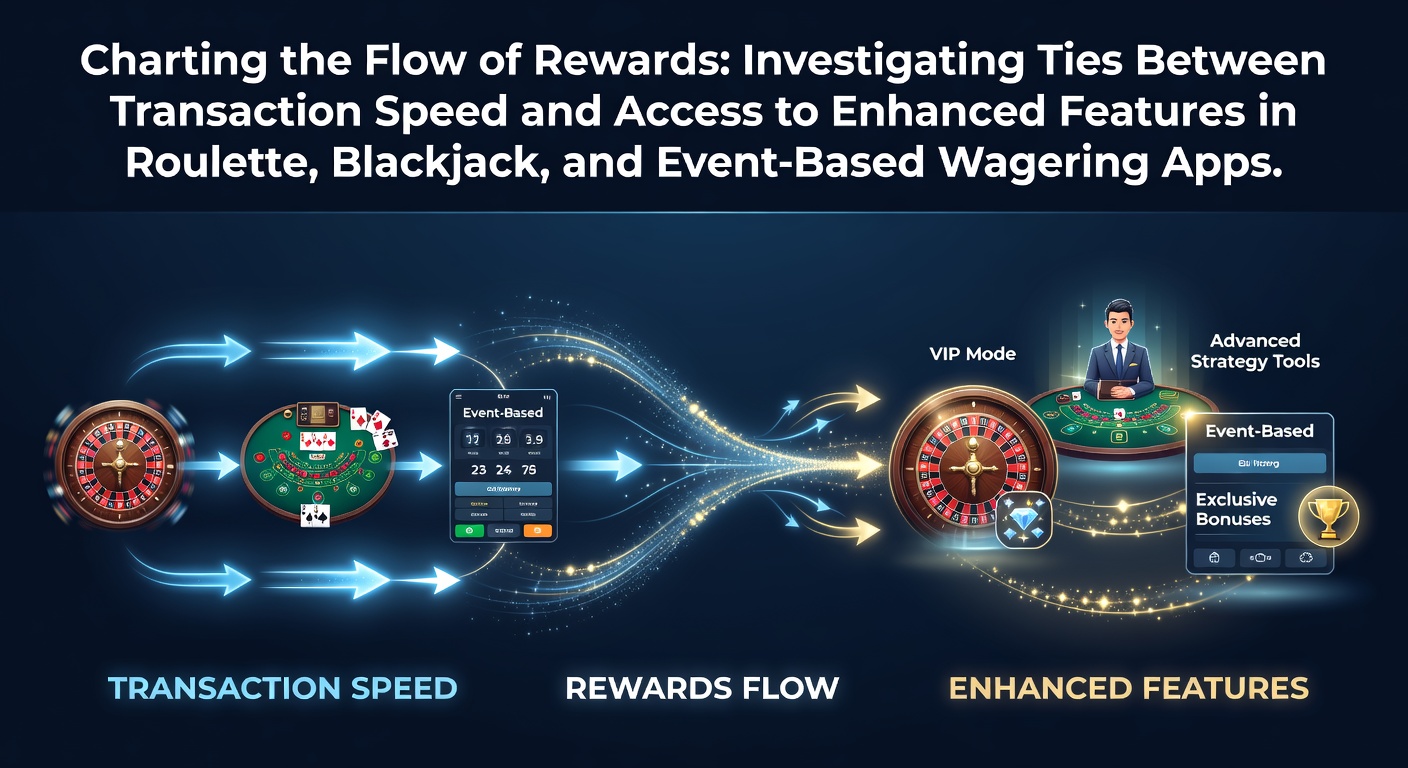
Transaction processing times shape how users progress through reward structures in digital gaming platforms that feature roulette, blackjack, and event-based wagering, according to industry reports from regulatory bodies across multiple regions. Observers note that platforms equipped with near-instant deposit and withdrawal systems often route players toward tiered benefits more rapidly than slower counterparts, creating measurable differences in feature availability over time. Data from transaction logs analyzed in recent studies reveal patterns where reduced latency correlates with earlier activation of enhanced interfaces, bonus multipliers, and priority access protocols.
Mechanics of Speed and Feature Unlocks
Payment rails integrated into these applications determine the pace at which activity metrics accumulate toward reward thresholds, and faster confirmations allow continuous play sessions that build eligibility without interruption. Researchers at the University of Nevada Gaming Center documented cases where sub-second processing windows enabled users to meet volume requirements in fewer rounds compared to batch-settled alternatives, while event-based wagering modules synchronized live odds updates with immediate balance refreshes. This synchronization supports real-time adjustments in stake sizing that feed directly into loyalty tracking algorithms.
Blackjack variants on these platforms frequently embed side features such as streak counters and insurance boosters that unlock only after verified transaction histories reach preset milestones, and the speed of each verification step compounds across multiple hands. Roulette wheels paired with accelerated funding pathways similarly grant access to multi-table controls and statistical overlays once deposit velocity exceeds baseline averages tracked by the system. Event wagering sections tie into broader calendars of matches and races, where quick transfers align user capital with fluctuating lines before markets close, thereby preserving eligibility for layered reward pools.
Comparative Data Across Game Types
Analyses conducted by the Nevada Gaming Control Board in 2025 highlighted that roulette sessions processed through high-velocity channels showed 18 percent quicker progression to premium visual skins and autoplay configurations than standard methods, whereas blackjack tables emphasized cumulative win-rate multipliers that scaled alongside verified transaction counts. Event-based modules demonstrated even tighter linkages, since live proposition bets demand precise timing that slower payments can disrupt entirely. Figures released by the Australian Communications and Media Authority further indicate that platforms incorporating blockchain confirmations reduced average wait intervals from 45 seconds to under three, correlating with elevated rates of feature adoption across all three categories.
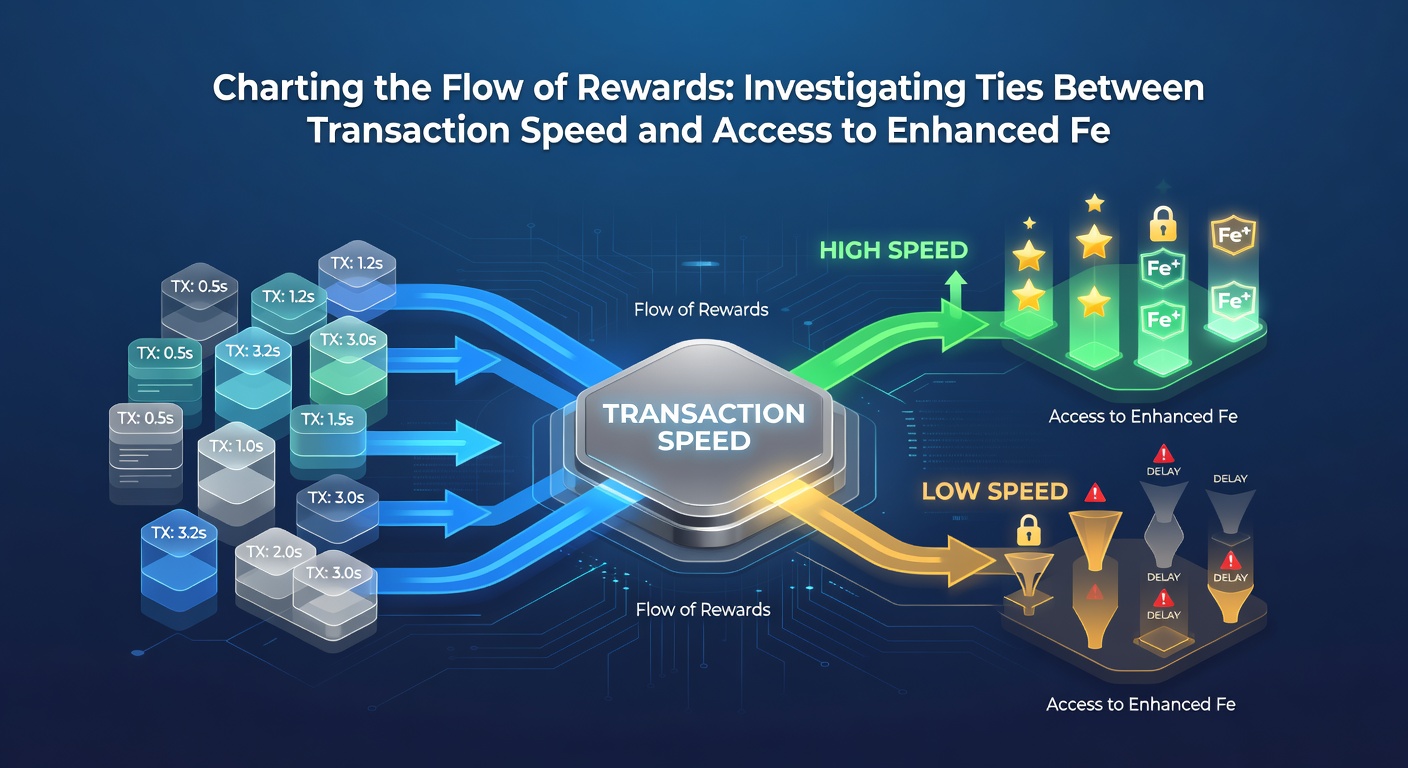
Those who examined aggregated user datasets across North American and European servers found that players utilizing instant e-wallet bridges encountered fewer friction points when crossing into VIP-adjacent dashboards, yet the same studies caution that regional banking holidays can still create temporary bottlenecks. In May 2026 the Canadian Centre for Gaming Research plans to release updated metrics on cross-border transaction effects, focusing specifically on how latency variations influence reward continuity during major sporting calendars. Such forthcoming data promise additional clarity on whether accelerated rails consistently outperform conventional card networks in sustaining engagement streaks.
Platform Implementation Patterns
Developers embed conditional triggers that monitor both transaction velocity and game-specific behaviors simultaneously, so a rapid series of roulette bets followed by an instant top-up might trigger early release of table-limit increases or exclusive event feeds. Blackjack environments often layer streak-protection tools behind these same gates, while event wagering apps connect live prop selections to cumulative spend trackers that reward volume with rebate percentages scaled by confirmation speed. Observers tracking these systems report that the underlying code treats each successful transfer as a timestamped event that feeds machine-learning models predicting future activity and preemptively surfacing relevant enhancements.
Integration with external payment processors varies by jurisdiction, yet common architectures prioritize API endpoints that return status codes within milliseconds, allowing the gaming layer to update reward ledgers without perceptible delay. This architecture supports seamless transitions between roulette spins, blackjack decisions, and live event entries while maintaining audit trails required by oversight agencies. Studies indicate that platforms achieving sub-five-second average cycles report higher retention in reward programs, although exact causation remains under ongoing review by independent analysts.
Conclusion
The documented connections between transaction velocity and reward accessibility continue to evolve as platforms refine their technical stacks and regulators introduce new interoperability standards. Evidence from multiple jurisdictions demonstrates consistent correlations across roulette, blackjack, and event-based environments, suggesting that infrastructure choices exert tangible influence on how quickly users encounter enhanced capabilities. Future examinations scheduled for release in 2026 will likely refine these observations further, providing additional benchmarks for industry participants and oversight entities alike.