Blockchain Bridges to Progressive Perks: Integrating Mobile Slots, Live Dealers, and Sports Props Through Digital Currencies
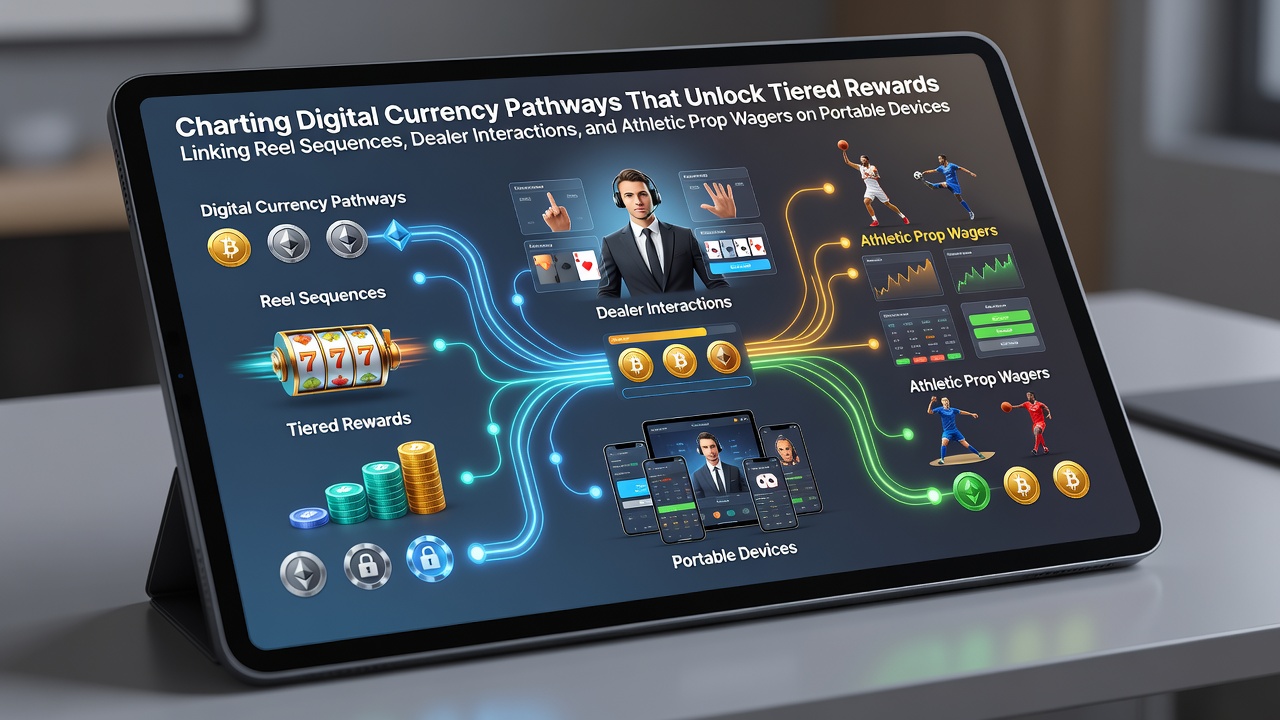
Digital currency systems now create direct connections between slot reel sequences, live dealer table sessions, and athletic prop wagers on portable devices, with transaction records automatically feeding into tiered reward structures that advance users across multiple activity categories at once. These pathways rely on blockchain ledgers that record each spin, each dealer hand, and each prop outcome in real time, allowing platforms to calculate cumulative progress toward higher benefit levels without separate tracking systems for each game type.
How Digital Ledgers Link Distinct Gaming Activities
Reel sequences on mobile slots generate data points that combine with results from dealer interactions in live casino streams, while athletic prop wagers on portable apps add further entries that together determine reward tier advancement; the same digital wallet handles funding and payout across all three areas so that activity in one area accelerates progress in the others. Observers note that platforms using these integrated ledgers reduce the steps required for users to move between game categories, which in turn supports faster accumulation of the metrics that unlock successive reward brackets.
Payment processing through digital coins occurs on networks that settle in seconds rather than hours, and this speed allows reward calculations to update continuously during a single session that might include slot spins followed by a live dealer round and then a prop bet on an ongoing match. Data from industry reports shows such seamless movement encourages extended engagement periods because the system registers every action toward the same tier goals.
Tiered Reward Mechanics Across Mobile Platforms
Tier advancement typically follows cumulative thresholds measured in total digital currency volume transacted or total activity instances logged, with each new level granting access to higher cashback percentages, exclusive event entries, or accelerated point multipliers that apply equally to reel sequences, dealer tables, and sports props. Those who reach upper tiers receive automated notifications on their portable devices detailing the additional benefits available immediately across all three activity types.
Current Developments Entering June 2026
Market tracking services indicate continued expansion of these integrated systems throughout 2025 and into the first half of 2026, with several major platform operators completing updates that allow prop wager outcomes to directly influence live dealer reward multipliers and slot bonus triggers within the same digital currency ecosystem. Regulatory frameworks in multiple jurisdictions outside the UK have begun requiring clear disclosure of how digital currency activity contributes to tier calculations, ensuring users receive standardized information about progression rules.

One study released by researchers at the University of Nevada, Las Vegas examined transaction patterns on platforms that combine these three categories and found measurable increases in cross-category participation once digital currency pathways replaced traditional payment methods. The same analysis noted that users who engaged with all three activity types within a single session reached higher reward tiers more rapidly than those who focused on a single category.
Regulatory Context From Varied Jurisdictions
Authorities in several regions have issued guidance on digital currency use within gambling environments, emphasizing consumer protection measures such as mandatory spending limits tied to verified accounts and transparent reporting of reward structures. The Canadian federal consumer protection framework provides examples of how such rules apply when digital assets fund combined gaming and betting activities on mobile devices.
Industry organizations including the European Gaming and Betting Association have published position papers outlining best practices for linking multiple game types through single digital currency accounts while maintaining separate risk controls for each category. These documents stress the importance of clear audit trails that record every reel sequence outcome, dealer decision, and prop wager result in a unified yet segmented ledger.
Practical Examples of Integrated Pathways
Platforms that adopted these systems in 2025 demonstrate how a user might start with a series of mobile slot spins funded by digital currency, move directly into a live dealer blackjack session, place a prop wager on a basketball game, and see all three activities contribute to the same reward tier counter without manual transfers between wallets. The underlying technology records each action on a shared blockchain entry that feeds the tier calculation engine in real time.
Take one operator that implemented cross-category tracking in early 2025; internal metrics revealed that participants who used digital currency for at least two of the three activity types advanced an average of one full tier per month faster than those who stayed within a single category. Such patterns appear consistently across multiple platform reports released during the first quarter of 2026.
Conclusion
Digital currency pathways continue to reshape how reel sequences, dealer interactions, and athletic prop wagers connect on portable devices by creating unified transaction records that feed directly into tiered reward systems. The mechanisms rely on fast-settling ledgers, automated progression tracking, and regulatory disclosures that keep users informed of how activity across categories contributes to higher benefit levels. As these systems expand through 2026, the focus remains on maintaining clear linkages while adhering to jurisdiction-specific requirements for transparency and consumer safeguards.