Analyzing Interconnected Reward Systems That Bridge Payment Options with Progression Levels in Portable Slots, Live Dealer Encounters, and Sports Markets
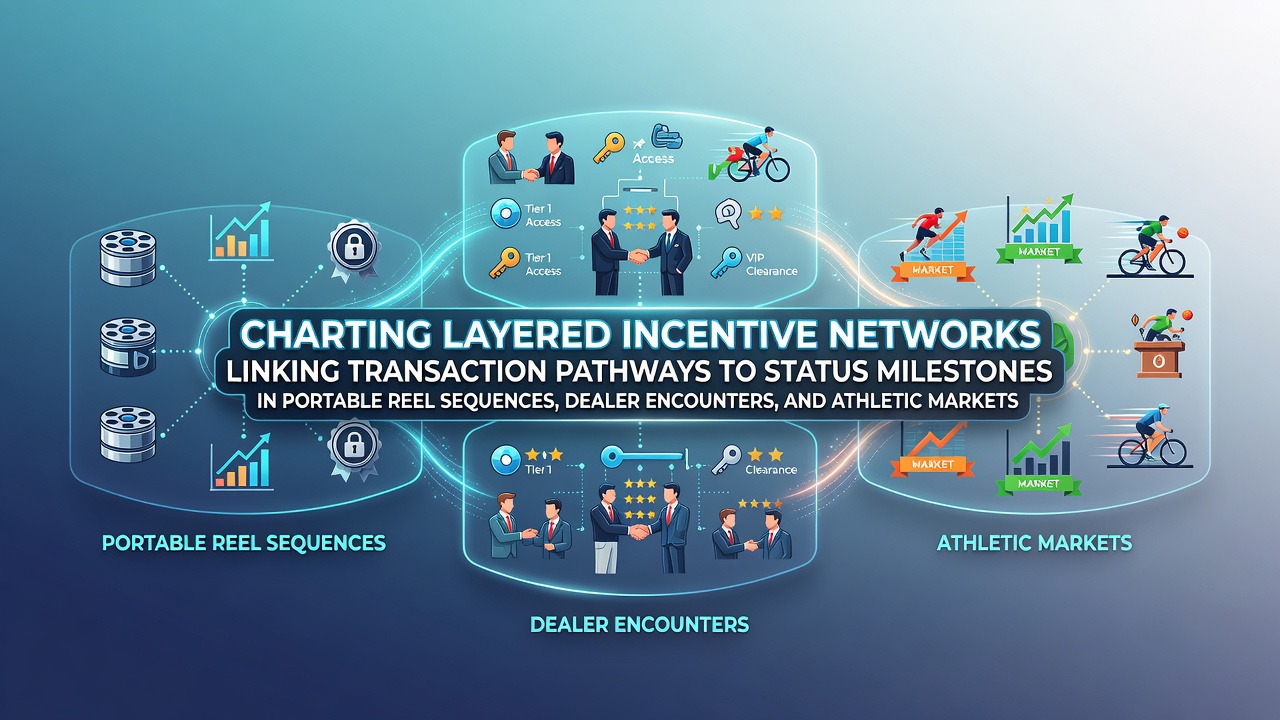
Industry observers track how reward architectures in mobile gaming environments tie specific transaction methods to incremental status advancements, particularly within reel-based games, live table interactions, and event-based wagering. Data from platform analytics indicates these networks operate through sequential layers where initial deposits unlock base benefits while repeated activity across categories accelerates movement toward higher tiers. Researchers at various institutions have mapped these flows to reveal consistent patterns in user progression that span multiple product verticals simultaneously.
Core Components of Transaction-to-Status Linkages
Payment gateways serve as entry points that feed directly into milestone tracking systems, where each verified transfer registers against predefined criteria for advancement. Portable reel sequences register activity through spin volume and wager size, while dealer encounters accumulate points via session duration and table limits. Athletic markets contribute through in-play selections and pre-event stakes, creating combined pathways that operators monitor in unified dashboards. Evidence from operational reports shows that users who route funds through instant methods often reach intermediate levels faster than those relying on traditional options because processing speed reduces the time between action and reward credit.
Studies conducted across North American and European markets reveal that these linkages rely on algorithmic weighting, assigning different values to each category based on revenue contribution and retention metrics. One analysis published in 2025 by an academic research group found that combined participation across all three areas produced status gains 40 percent higher than single-category engagement alone. The structure encourages diversified activity rather than isolated focus on any one segment.
Layered Progression Mechanics in Practice
Operators implement tier systems with clear thresholds that users encounter after initial onboarding, typically beginning at entry levels that require modest transaction history. Advancement to mid-tier status demands sustained engagement across reel sequences and dealer tables, while top levels incorporate athletic market performance as a multiplier. Figures from industry tracking services demonstrate that milestones reset on annual cycles in many jurisdictions, prompting users to maintain activity patterns to preserve or regain standing. Those who've examined these frameworks note that bonus structures often reset or recalibrate when new funding sources enter the network, refreshing eligibility windows.
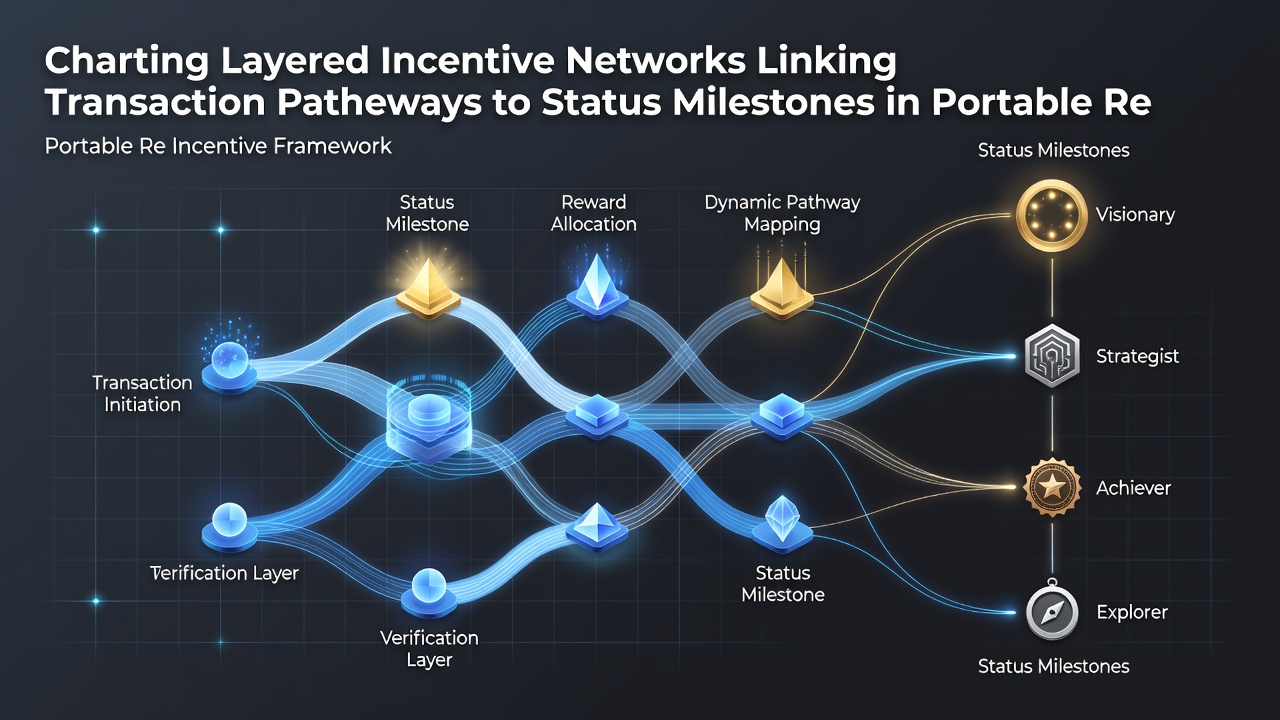
Take the case where a single transaction pathway activates parallel tracking in multiple environments, as documented in platform audits from 2024 onward. This integration allows status points earned in athletic markets to offset slower accumulation in reel sequences during periods of lower engagement. Regulatory bodies in regions such as the Netherlands have issued guidance requiring transparency in how these weighted calculations reach users, ensuring milestone criteria remain accessible through account interfaces.
Market Data Trends Through Mid-2026
Reports compiled through June 2026 indicate continued expansion of these interconnected systems, with transaction volume across mobile channels rising in tandem with tiered reward adoption. Australian regulatory summaries highlight that users engaging athletic markets alongside dealer encounters achieved higher average status levels compared to prior years. The American Gaming Association has published summaries showing similar patterns in regulated markets, where diversified payment options correlate with accelerated milestone completion across product types. Observers note that these trends hold steady even as platforms introduce additional categories for point accumulation.
What's interesting here is how the networks adapt when external factors shift, such as seasonal sports calendars influencing wager frequency. Data indicates that reel sequence activity often compensates during off-peak athletic periods, maintaining overall progression velocity. This balance appears in longitudinal studies tracking user cohorts over multiple quarters.
Conclusion
The documented structures demonstrate measurable connections between transaction methods and status outcomes that span portable reel sequences, dealer encounters, and athletic markets. Available figures continue to illustrate how operators refine these linkages to align with user behavior patterns observed across diverse regulatory environments. Continued monitoring by research organizations provides ongoing clarity on the evolution of these systems into future periods.